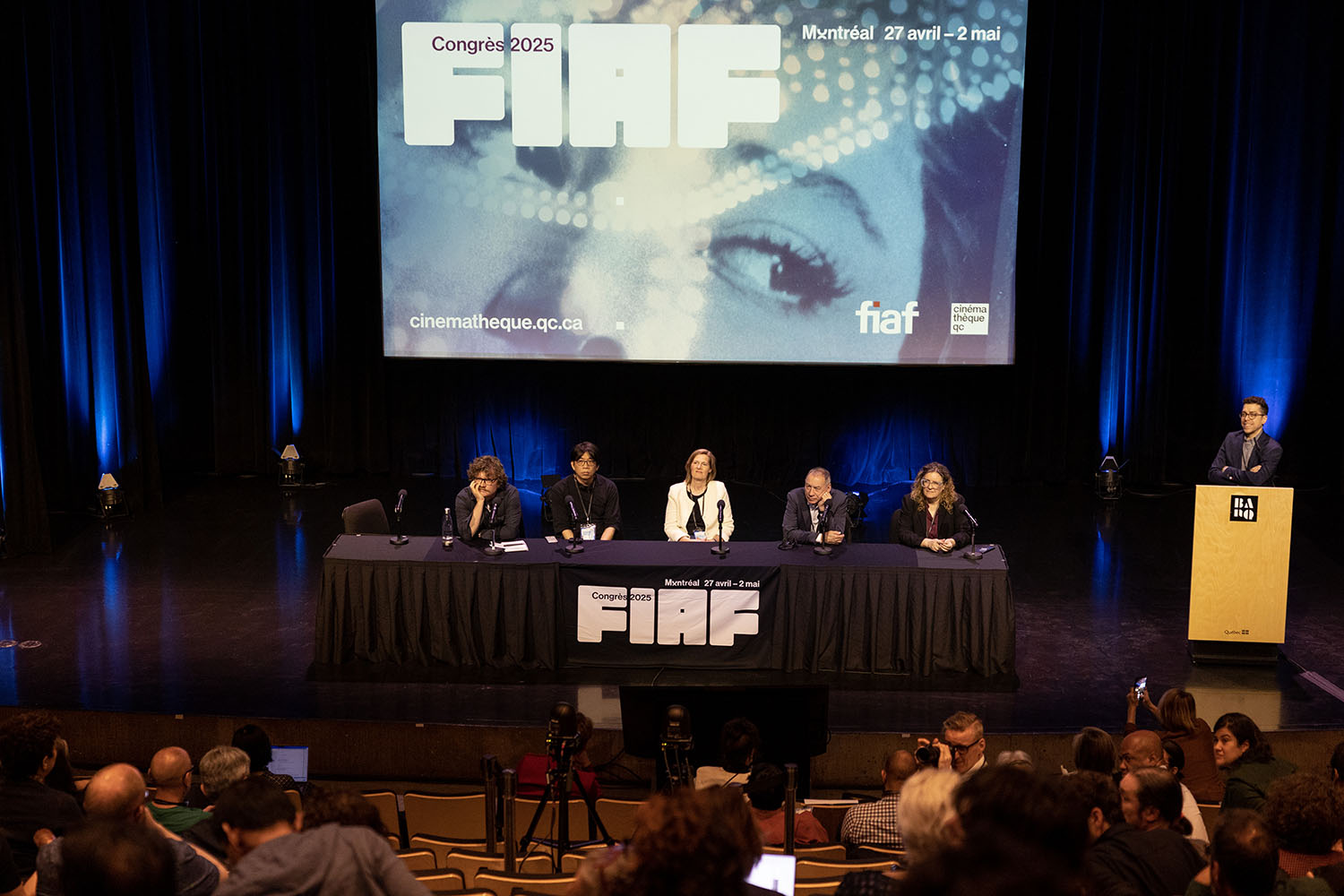
2025 Montreal Symposium
Session 5 - Show, Resume
Montreal, 29 April 2025
Please do not publish or re-use in any way any of these documents without prior permission of the speakers.
A Long Journey of Demystification of Historical Spectres: Media Transition, Artistic Transformation, and Open Access of Taiwan Film Studio Newsreels (1945–1985)
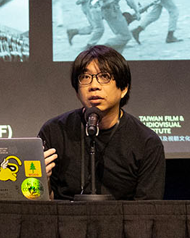
Wood Lin (Taiwan Film & Audiovisual Institute - Taiwan International Documentary Festival)
Between 1945 and 1985, the Taiwan Film Studio (TFS), part of the authoritarian government’s Information Office, made a large number of newsreels and propaganda films for the dictatorship regime. These films served as tools for disseminating the ideology of the party-state system and controlling public thought. In 1999, following a devastating earthquake, the buildings of TFS collapsed, which resulted in the donation of its films – with over 3 million feet of footage and more than 6,000 titles – to the Taiwan Film & Audiovisual Institute (TFAI), establishing it as an important collection of historical significance. After years of repairing and digitization, TFAI has not only preserved these historical films but also brought them into broader cultural view through initiatives such as the Taiwan International Documentary Festival’s (TIDF) curatorial programmes and archival creation project. Especially in the 2024 project "Jamming with Archive: Re-coding", the nature of these films was reimagined as digital binary codes (0s and 1s). New media artists who had not experienced the martial law era were invited to reinterpret the propaganda content, materials, and essence from contemporary perspectives. Through the process of coding, they transformed these elements into audiovisual performances, serving as artistic practices to demystify historical apparitions. As one artist remarked, "Today, the overly positive style and seriousness of past reporting make people laugh." In the same year, TFAI announced plans to make all TFS newsreels freely downloadable within three years, further advancing the public accessibility of Taiwan’s audiovisual heritage. This presentation explores how the TFS newsreels were treated over time, within the context of Taiwan's evolution as a nation shaped by dual colonial legacies, martial law (1949–1987), and its ongoing pursuit of transitional justice.
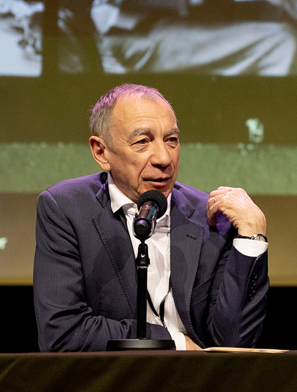
Mining the Archive – A Look at the Various Challenges Involved in Using Archival Material
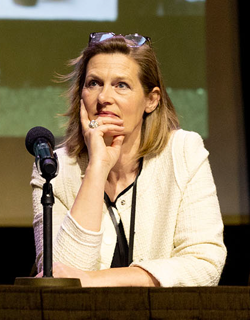
Anke Hanh (Deutsche Kinemathek)
Rainer Rother (Berlinale Classics)
Using various (also visual) examples, Rainer Rother and Anke Hahn would like to highlight economic, technical and ethical problem areas in the use of archival material. Filmmakers such as Pepe Danquart, Vanessa Lapa, Andres Veiel and Jean-Gabriel Périot have visited the Deutsche Kinemathek in recent years in search of special film material that cannot be found in other archives. Their interest raises questions to be discussed during this presentation: 1) financing digitization works and processing collections; 2) public interest vs personal rights; and 3) responsibility and control of the use of footage.
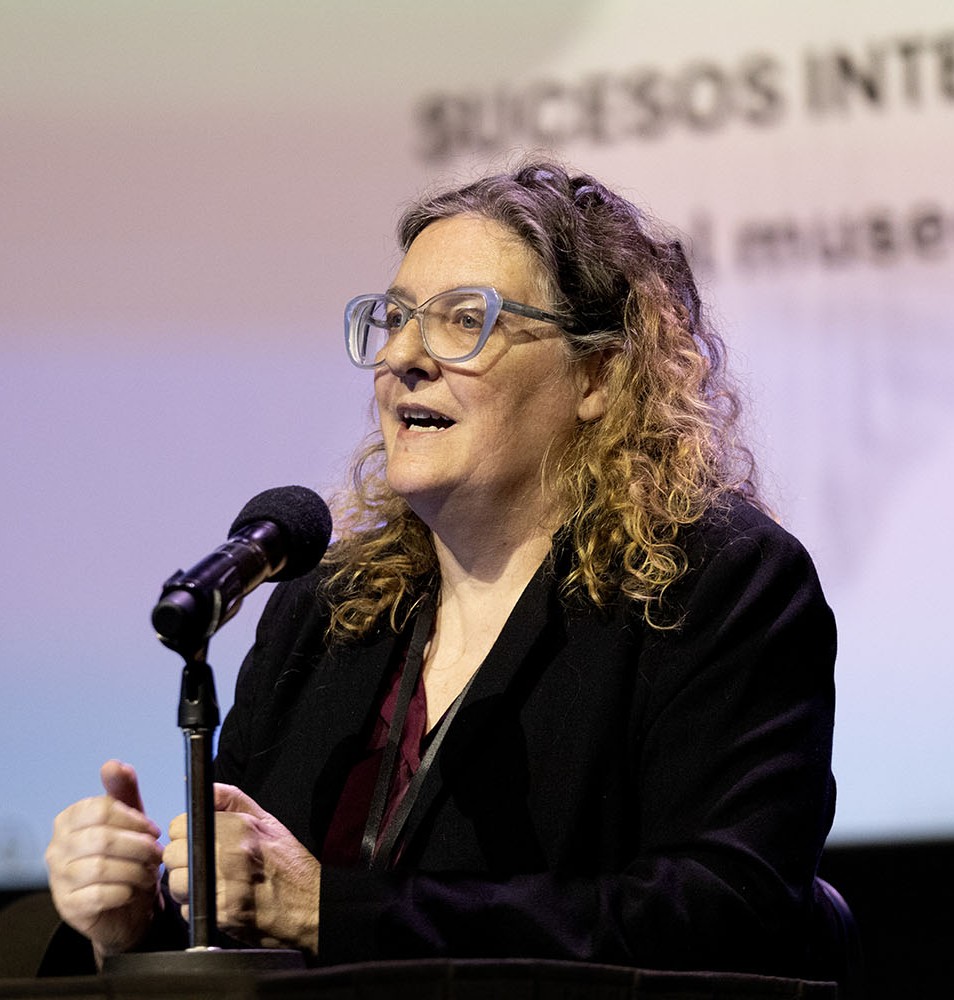
Argentine Intervening the Past: Sucesos Intervenidos and the Power of Archive Reuse
Paula Félix Didier (Museo del Cine Pablo Ducrós Hicken)
This paper explores the practice of archive reuse in contemporary filmmaking, with a particular focus on its artistic potential. By examining the case study of Sucesos Intervenidos and Cine-Escuela, two feature films produced by the curating team of Buenos Aires Film Museum, and a collaborative project involving high school students stemmed by these two films, we delve into how filmmakers and young artists alike have reimagined and reinterpreted historical footage.
Both Sucesos Intervenidos and Cine-Escuela work with footage from two collections held by the Museum: the newsreel Sucesos Intervenidos and the educational film collection Cine Escuela. By inviting renowned contemporary filmmakers to manipulate, recontextualize, and reassemble newsreel footage, the project challenges traditional notions of documentary and historical representation. Through techniques such as montage, sound design, and digital manipulation, these filmmakers breathe new life into the archival material, creating visually striking and emotionally resonant works.
Similarly, the collaborative project with high school students empowers young artists to experiment with archival footage, fostering creativity and critical thinking. By engaging with historical materials, these students develop a deeper understanding of film language and narrative structure, while also exploring the potential of archival film as a medium for artistic expression.
This presentation argues that archive reuse offers a powerful tool for artistic innovation. By reimagining the past through a contemporary lens, filmmakers and artists can create thought-provoking and visually stunning works that challenge traditional notions of history and memory, and by fostering strong partnerships between film archivists and artists, we can ensure that our cultural heritage is preserved, reinterpreted, and shared with future generations.
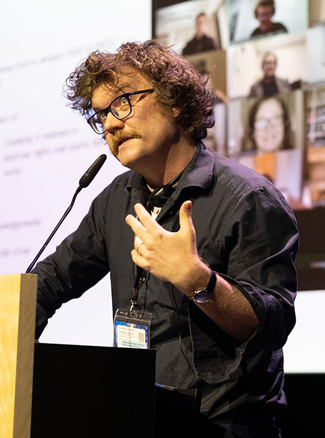
Restoring the Past, Funding the Future
Matej Strnad (Národní filmový archiv)
"Restoring the Past, Funding the Future" presents findings from the January 2025 FIAF workshop on restoration investments and public domain protection. It examines if and how archives can maintain open access to public domain works while recovering conservation costs and protecting their economic and symbolic investments. The presentation aims to address this conundrum as one of the main obstacles in embracing the public domain in contemporary film archival practices.





partnership with