
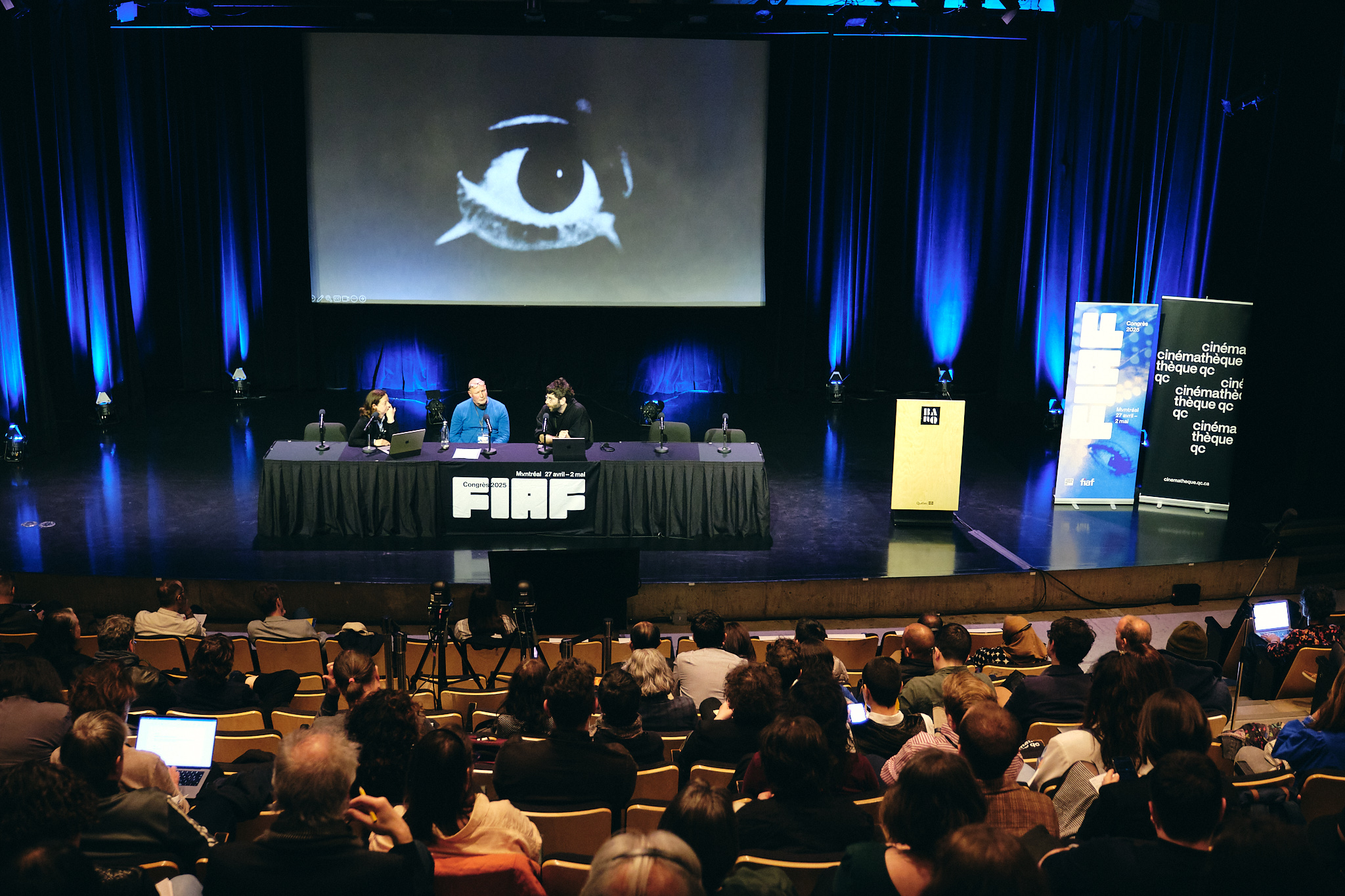
2025 Montreal Symposium
Session 1 - Re-readings, Re-uses
Montreal, 28 April 2025
Please do not publish or re-use in any way any of these documents without prior permission of the speakers.
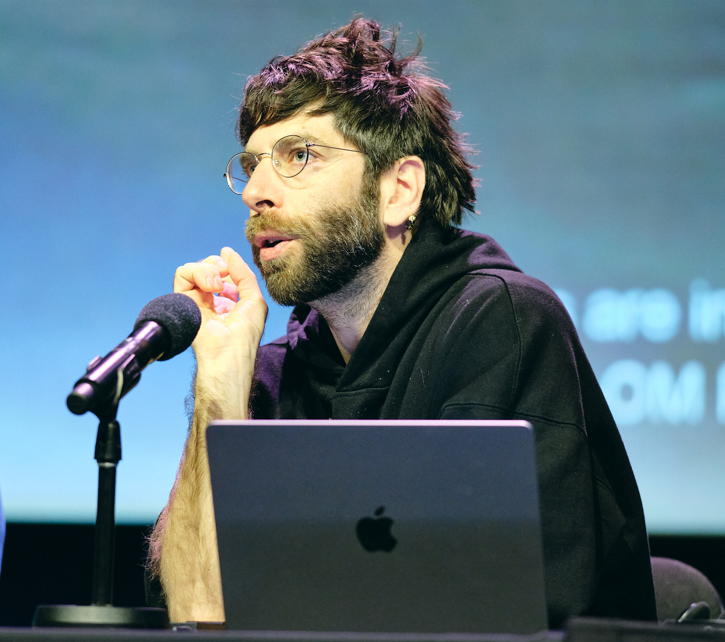
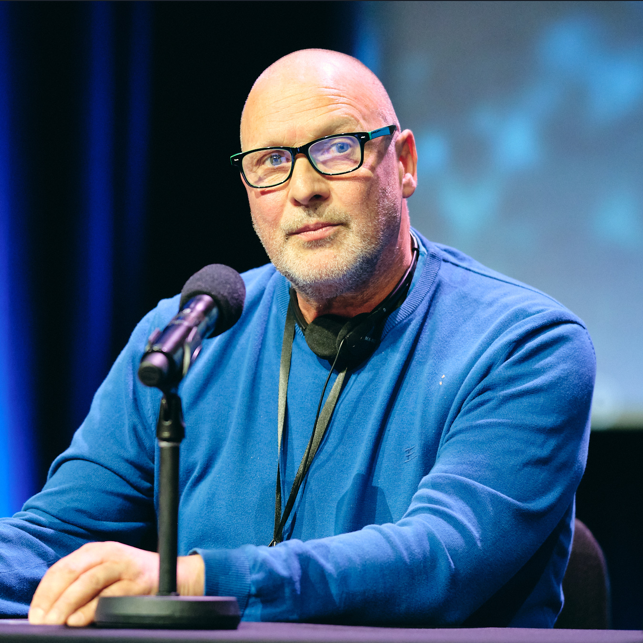
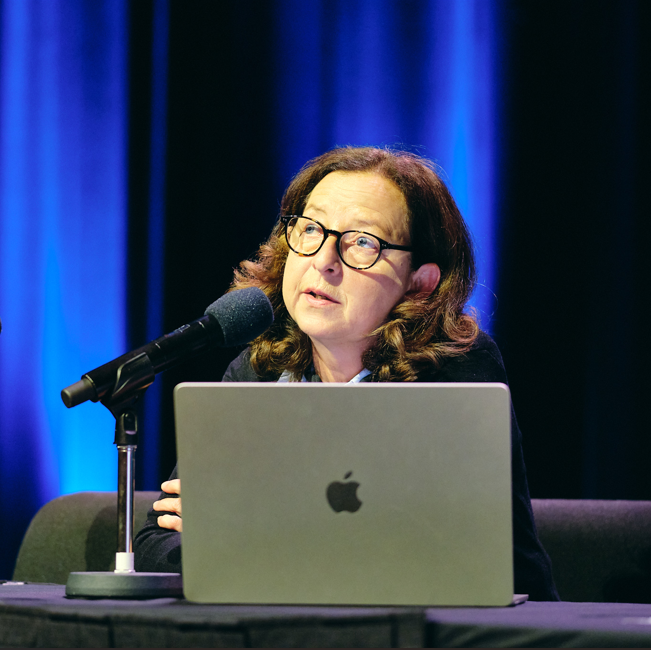
Alpe Adria Underground!
Matevž Jerman (Slovenska Kinoteka)
Ivan Nedoh (Slovenska Kinoteka)
Ženja Leiler (Slovenska Kinoteka)
Between the late 1950s and the early 1980s, an exciting and diverse amateur film scene thrived in the Socialist Republic of Slovenia, but, in recent decades, it has almost entirely faded from the public cinematic consciousness. In the 2010s, the Slovenian Cinematheque established its special avant-garde collections, and to date, over 179 short films have been digitized and restored. Works by filmmakers such as Karpo Godina and Davorin Marc are experiencing a renaissance and are regularly featured in retrospectives and special screenings worldwide.
In June 2021, the head of the Archive Department of the Slovenian Cinematheque proposed shedding light on this vibrant but obscure part of Slovenian and Yugoslav film history through a feature-length documentary. Alpe-Adria Underground! was completed exactly three years later and had its festival premiere at Dokufest Prizren in the summer of 2024. Since then, it has been screened at numerous international festivals and special events. Alongside the film, various curated programmes of restored avant-garde films from the Cinematheque's collections have also been presented. As part of the production process, a significant portion of Slovenian avant-garde film history was scanned and preserved, and the Slovenian Cinematheque is now actively working on restoring and promoting its experimental film collections.
This presentation contextualizes the marginalized history of experimental film in former Yugoslavia and outline the ongoing efforts to preserve the avant-garde heritage; and outlines the processes and challenges involved in creating the documentary Alpe-Adria Underground!.
Météores : geste de réemploi par la création expérimentale à partir du fonds d’archives méditerranéennes Katsakh
Ghada Sayegh (Université St-Joseph de Beyrouth)
Météores is an experimental creative project that aims to reuse archival footage from the project Katsakh: Mediterranean archives, a personal collection of non-fiction films in Super 8mm and 16mm capturing towns and villages in the eastern Mediterranean from the 1930s to the 1970s. The act of reuse thus draws on an archive started by experimental filmmaker and archivist Chantal Partamian in 2020, which, through collection, preservation, and restitution, contributes to the fight against the erasure and invisibility of a missing history. This creative project is based on the poem of the same title, Météores, written jointly by Chantal Partamian and Ghada Sayegh, words that trace the paths of exile and imprint the landscapes of here and elsewhere with a history laden with memory and mourning. The question of absence and loss, at the heart of the Katsakh project and the film essay Météores, unfolds through images and words, and editing that reveals geographical and cinematic shifts, where the sea, the sky, landscapes, and bodies are carriers of history(ies). While the world today is witnessing genocide, urbicide, and ecocide, reporting on it amounts to seeking, through resistance and poetry, another way of inhabiting it. Seeing images of these territories of the past, composing them with their material and sensitive fragility, amounts to creating a filmic and geographical territory where past, present, and future merge, allowing ghosts to appear. This presentation examines these parameters in their multiple articulations, the implications of which are deployed throughout the ongoing creative process.
Colourization, Tutankhamun and the Film Archive (virtual presentation)
Elizabeth Watkins (University of Leeds)
In 1922 the incursion into the burial shrines of Tutankhamun was documented using black-and-white glass negative photographs and films, which was supplemented by notebooks and object cards that recorded the colours, materials and locations of funerary objects. The notebooks, kept by Howard Carter, and over 2,000 of Harry Burton’s black-and-white glass negative photographs are in the Tutankhamun Archive at the Griffith Institute, University of Oxford and the Metropolitan Museum in New York. An examination of this photographic evidence tracks the way that colour was recorded, from hand-coloured lantern slides, to watercolour sketches, black-and-white photographic prints annotated with notes about colour, and the remnants of experiments with Autochromes.
The recent digitization and colourization of a selection of Burton’s films and photographs for the TV documentary Tutankhamun in Colour (Paul Bradshaw, 2022) and two exhibitions has underscored the role of photography, film and colour in shaping public imagination of the expedition. This presentation refers to the letters and newspaper reports surrounding Harry Burton’s journey to Hal Roach’s studio in Culver City, Hollywood at the end of the first year of the excavation. Burton researched the use of studio lighting for his archaeological films, whilst spending each night at the cinema watching tinted and toned titles such as The Thief of Bagdad (Raoul Walsh, 1924). A comparative analysis of the staged performance of discovery in Burton’s photographic prints indicates the emphasis of studio-style lighting in the darkness of the tomb, diminishing archaeological details in the films and photographs.
Neither the digital image, or the construction of a "natural colour" image that alludes to be aligned with the space in front of the camera, are neutral. The provenance and historical context of their production matters. The retrospective digitization of a black-and-white film or photograph, its editing and conversion of colour can emphasize or diminish details that the photographer considered salient to meaning. Yet, can the variations in colour and lighting, which become visible through comparative analyses, ethically refigure visual hierarchies of lighting and meaning that have shaped a problematic discourse of knowledge, power and colonialism in film historiographies of the excavation of Tutankhamun’s tomb?





partnership with