
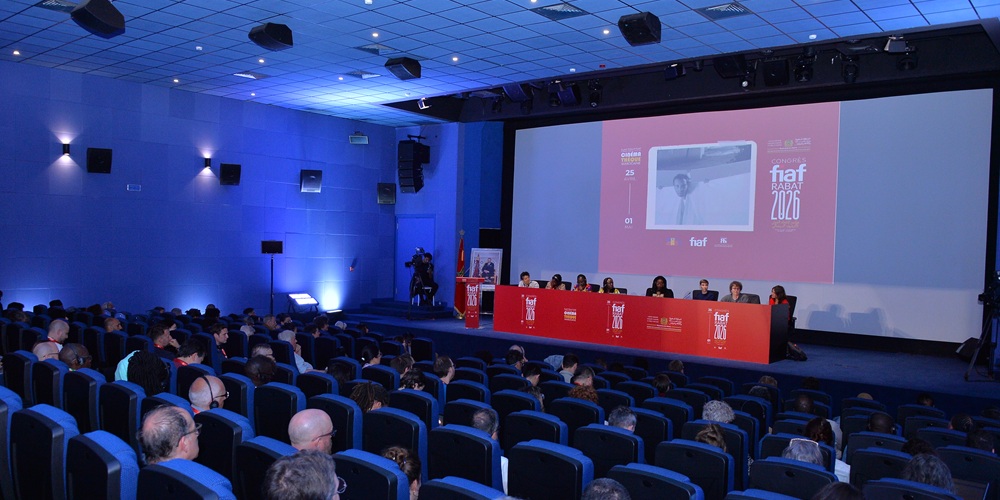
 ©Cinémathèque marocaine
2026 Rabat Symposium
Session 11 - Reconstitution of Memory, Heritage and Identity
Rabat, 29 April 2026
Please do not publish or re-use in any way any of these documents without prior permission of the speakers.
Muestra Afro: Identidades y representaciones audiovisuales afrodescendientes en Colombia
Zulay Riascos Zapata (Cinemateca de Bogotá)
Recognizing the structural barriers that have historically limited the participation of people of African descent in Colombia's audiovisual ecosystem, Cinemateca de Bogotá created the Muestra Afro (Afro Exhibition). With a programme of national audiovisual works and those from the African diaspora, as well as spaces for reflection, research, and training, this cycle constitutes an affirmative action understood as part of processes of historical reparation and the search for racial justice, recognizing the aesthetics, memories, and narrative forms of Afro-descendant peoples, who represent around 10% of the country's total population.
This presentation examines the ways in which the Muestra Afro has evolved over 10 years, establishing itself as a process that incorporates collaborative curatorial methodologies, involving filmmakers, curators, educators, artists, mediators, and cultural managers of African descent. The Muestra has also become a bridge for transnational exchange with the African diaspora worldwide. Through its international exhibition, it has brought films from the Global South and the African continent closer to audiences, with guest curators and institutional collaborations that have made it possible to screen films from countries such as Morocco, Ghana, Guinea-Bissau, Mozambique, Cuba, and Brazil, among others. Meetings have also been held around archives, new media, and artistic proposals that highlight and appropriate the heritage of the African continent and people of African descent around the world.
Through questions such as what is meant by Afro cinema, where it is located, how it is preserved, how the audiovisual memory of Afro-descendant communities circulates, and how to promote the creation of works that expand the country's cinematic canon, the Afro Exhibition is conceived as a device for intergenerational exchange of knowledge, contributing to the construction of a more plural and decolonial audiovisual field.
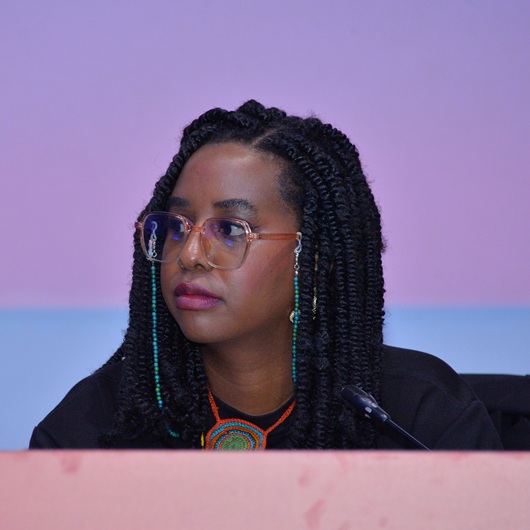
Building transcontinental memory networks: Strengthening West African archival collaborations for shared film heritage preservation
Kudirat Ajoke Ayoola (National Film, Video and Sound Archive)
Judith Opoku-Boateng (University of Ghana Archives)
Akporherhe Justina Omojevwe (National Film, Video and Sound Archive)
African film heritage reflects deeply interconnected histories of colonial encounter, cultural exchange, and post-independence nation-building. Yet much of this shared audiovisual memory remains fragmented, endangered, or inaccessible due to persistent structural challenges. These include limited preservation infrastructure, obsolete analogue formats, uneven archival capacities, inconsistent documentation practices, and the historical displacement of significant film materials to foreign repositories. Collectively, these factors continue to undermine coordinated preservation efforts and weaken regional ownership of cinematic memory.
This paper examines transnational archival collaboration in West Africa as a practical and scalable framework for safeguarding shared film heritage across the region. Grounded in institutional mandates and professional archival practice, the discussion foregrounds collaborative methodologies aligned with FIAF’s core principles, including joint cataloguing initiatives, harmonized metadata standards, coordinated digitization strategies, skills and knowledge exchange, and reciprocal access frameworks. These approaches are presented as mechanisms for addressing both technical and epistemic gaps in regional film preservation.
The presentation further situates Nigeria–Ghana cooperation within broader continental and international archival ecosystems, emphasizing professional ethics, capacity building, sustainability, and long-term stewardship of audiovisual collections. Particular attention is given to the role of dialogue in fostering mutual accountability and shared custodianship among archives shaped by common historical legacies and preservation challenges.
By advancing the concept of transcontinental memory networks, the paper argues for a shift away from isolated national initiatives toward collective responsibility for film heritage preservation. It proposes collaborative archiving as a critical pathway for strengthening regional resilience, expanding access, and contributing to a more inclusive, balanced, and representative historiography of West African cinema. In doing so, the paper positions Nigeria–Ghana archival collaboration as a foundational model for future regional and inter-regional partnerships within the global film archival community.
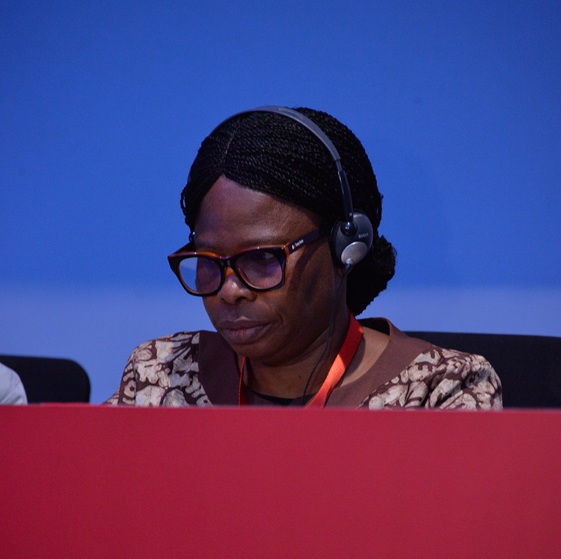
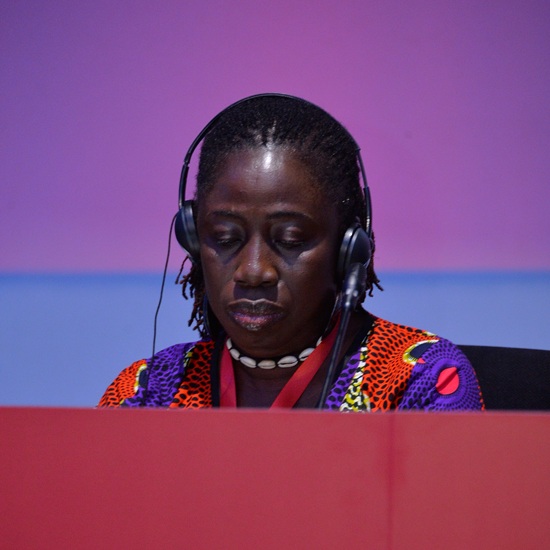
Les archives de Georges Nasser: un projet de conservation collectif
Anaïs Farine (Cinematheque Beirut/Saint-Joseph University of Beirut)
Chantal Partamian (Katsakh: Mediterranean Archives)
Mathilde Rouxel (Aix-Marseille University/University of Lille 3)
This paper presents the Georges Nasser restoration project, which reveals the scattering of collections, facilities, and expertise in Lebanese film heritage. It also maps the available documents that shed light on Nasser’s work and the collaborations required for their preservation.
Lebanese filmmaker Georges Nasser (1927–2019) left behind an important heritage containing government commissions, post-war Beirut footage, and collaborations with figures like painter Paul Guiragossian. The reels show advanced crystallization, warping and vinegar syndrome. Scattered expertise came together to save the films. A collaboration between Cinematheque Beirut, UMAM Documentation & Research (Lebanon), Katsakh: Mediterranean Archives (Canada), and the Archive Circulation Initiative (Algeria, Tunisia, Lebanon) has allowed, as part of a pilot project, the digital restoration of the 16mm black-and-white reel Walidi Ana Fakhour Bik (1968). Subsequent phases aim to digitize twelve additional reels, alongside workshops, exchanges, and public events.
First, cross-referencing and research on the existing archiving ecosystem permits reassembling knowledge and creating a more complete record of Georges Nasser's work. Next comes reconditioning and treatment, addressing the physical state of the films. This includes hands-on workshops at the Lebanese Academy of Fine Arts, in order to transmit expertise and knowledge about the physical realities of film. Finally, the Archive Circulation Initiative takes the lead in digital restoration through workshops and training. The Initiative combines education, skill-sharing, and active restoration into a single, collaborative process.
To this day, the historical value attributed to moving images remains insufficiently recognized in Lebanon. It is almost impossible to find intact copies of films produced before the 1990s; most were destroyed during the war (1975-1990). The absence of a comprehensive national archive has been a major factor contributing to the deterioration of Lebanon’s film heritage. Running counter to this situation, the ongoing restoration of Georges Nasser’s films reveals what "archiving against all odds" makes possible.








partnership with